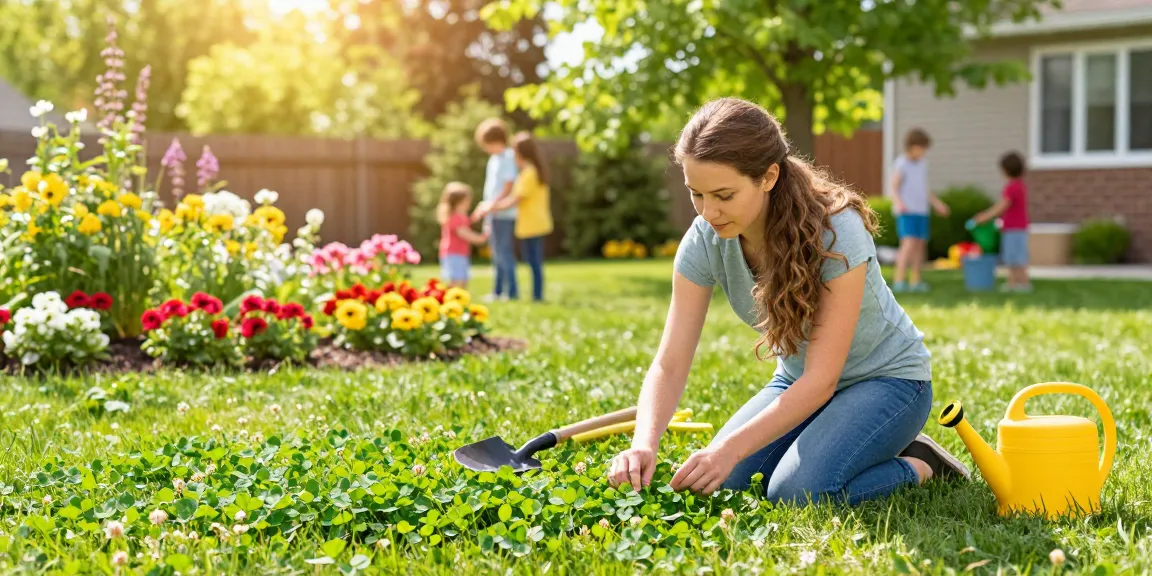
Understanding Clover Lawns in Ottawa
As homeowners in Ottawa seek eco-friendly alternatives to traditional turf, clover lawns have emerged as a popular choice. These low-maintenance, drought-resistant lawns not only enhance the aesthetic appeal of properties but also provide significant environmental benefits. In recent years, there has been a growing interest in the viability of clover lawns ottawa, indicating that many are exploring the benefits that clover can bring to their lawns, from reduced watering needs to superior soil health.
What is a Clover Lawn?
A clover lawn primarily consists of various clover species, with white clover (Trifolium repens) and micro clover (a smaller-leaved variety) being the most common options. Unlike traditional grass lawns, which typically require extensive upkeep, clover lawns thrive with minimal intervention, making them ideal for the busy homeowner. They not only create a lush, green landscape but also fix nitrogen in the soil, which helps nourish adjacent plants.
The Benefits of Clover Lawns
Clover lawns offer numerous advantages that set them apart from conventional grass lawns:
- Low Maintenance: Clover requires less mowing and watering compared to traditional grass, allowing busy homeowners to save time and resources.
- Drought Resistance: Clover’s deep root systems enable it to withstand dry spells, making it an excellent choice for Ottawa’s climate fluctuations.
- Soil Benefits: As a legume, clover enriches the soil by fixing atmospheric nitrogen, promoting healthier plant life.
- Pest Resistance: Clover is less susceptible to pests and diseases than grass, reducing the need for chemical treatments.
- Bee-Friendly: Clover lawns provide a habitat for pollinators such as bees, supporting local biodiversity.
- Cost-Effective: With lower maintenance requirements, homeowners can save significantly on lawn care costs over time.
Why Choose Clover for Ottawa’s Climate?
Ottawa’s humid continental climate, characterized by warm summers and cold winters, can be challenging for maintaining a traditional grass lawn. Clover, particularly micro clover, adapts remarkably well to these conditions, remaining resilient through temperature fluctuations. Additionally, the natural ability of clover to thrive in less-than-ideal soil conditions means homeowners can cultivate a beautiful lawn without extensive amendments or fertilizers.
Preparing Your Lawn for Clover Seeding
Soil Testing and Preparation Techniques
Before seeding, it’s crucial to assess your soil quality. Conduct a soil test to determine pH levels and nutrient content, as clover prefers slightly acidic to neutral soils (pH 6.0-7.0). Based on the results, amend your soil as needed. Prepare the lawn area by removing existing sod, rocks, and debris, and then till the soil to create a fine seedbed. This will enhance seed-to-soil contact, promoting successful germination.
Choosing the Right Clover Seed Varieties
When selecting clover seeds, consider the following varieties:
- White Clover: Known for its hearty nature and ability to thrive in various conditions.
- Micro Clover: A popular choice for lawns due to its small leaves, which offer a lush green appearance while requiring less mowing.
- Red Clover: Typically used for pasture but can be included in mixes for more robust lawns.
Steps for Proper Seeding in Ottawa
Follow these steps to seed your clover lawn effectively:
- Prepare the soil by tilling and leveling.
- Select a suitable clover seed mix based on your lawn’s conditions.
- Seed at a rate of 1 to 3 pounds per 1,000 square feet, depending on the variety.
- Rake lightly to ensure good seed-to-soil contact.
- Water the area gently but thoroughly to promote germination.
- Maintain consistent moisture until the seedlings are established.
Maintaining Your Clover Lawn
Watering and Irrigation Tips
After seeding, it’s essential to keep the soil moist, especially during the germination phase. Once established, clover requires less water than grass. Deep watering once a week will suffice, promoting deeper root growth and enhancing drought resistance.
Weed and Pest Management Strategies
While clover is generally resilient against pests, periodic inspections are necessary. Hand-pulling or spot-treating invasive weeds ensures that they do not compromise your clover lawn’s health. Avoid chemical herbicides, as these can adversely affect clover and beneficial insects.
Best Fertilizers for Clover Lawns
Clover lawns typically require less fertilization than grass. A light application of a balanced organic fertilizer in early spring can enhance growth. Avoid high nitrogen fertilizers, as they may encourage excessive leaf growth and weaken the plant.
Common Challenges with Clover Lawns
Addressing Clover Invasiveness Concerns
One concern some homeowners have is the potential invasiveness of clover. While clover can spread in the right conditions, proper lawn management practices, such as regular mowing and control measures, can help keep clover in check and maintain a neat appearance.
Managing Bee Attraction Around Clover
Clover flowers attract bees, which can be a concern for those with allergies. To address this, homeowners can choose to mow the clover before it flowers, reducing bee activity while still enjoying the benefits of a clover lawn. Alternatively, consider planting clover in areas away from high foot traffic.
Dealing with Uniformity in Lawn Appearance
Some people find that clover lawns can exhibit uneven growth, especially during the establishment phase. To ensure a lush, even lawn, selecting high-quality seeds and following proper seeding techniques will help. Additionally, mixing in some grass seed can create a more traditional lawn appearance while reaping the benefits of clover.
Future Trends for Clover Lawns in 2026
Innovative Techniques for Clover Lawn Care
As interest in sustainable gardening grows, innovative techniques for maintaining clover lawns are likely to emerge. These may include advanced organic fertilization methods, more effective pest management strategies, and integrated technology to monitor soil health and moisture levels.
Environmental Impacts of Clover Lawns
Clover lawns contribute positively to the environment by reducing the need for chemical fertilizers and pesticides. They also support biodiversity by providing essential habitats for pollinators and other beneficial wildlife. As urban landscaping trends continue to shift towards sustainability, clover lawns will play an integral role in this movement.
Expert Insights on Sustainable Gardening
Experts predict that by 2026, more homeowners will adopt sustainable gardening practices, such as converting traditional lawns to clover or other eco-friendly alternatives. Collaborating with local gardening experts or organizations can provide valuable resources for individuals looking to make the switch.
How much does it cost to install a clover lawn?
Installing a clover lawn typically costs between $800 and $1,200 per 1,000 square feet, similar to premium grass seed installations, but the reduced long-term maintenance costs create significant savings over time.
What are the upkeep needs for clover versus traditional grass?
Clover lawns require less frequent mowing and watering than grass, significantly reducing upkeep needs. Homeowners can expect to spend less time and money on maintenance while enjoying a vibrant, healthy lawn.
How long does it take for a clover lawn to establish?
Generally, clover lawns take about 3 to 5 weeks to establish depending on weather conditions and care. Once rooted, clover can quickly adapt to various conditions, ensuring a thriving lawn.
Is white clover suitable for all garden types?
White clover is versatile and can grow in a variety of garden types, from residential lawns to community parks. Its adaptability makes it an excellent choice for many homeowners looking to create a lush, green environment.
What are the aesthetic considerations for a clover lawn?
With its vibrant green hue and delicate white flowers, clover can offer a unique aesthetic appeal. However, homeowners may want to consider blending clover with traditional grasses to achieve a more uniform appearance, depending on their preferences.